Why Holiday Client Gifting Falls Apart Without a Plan
The Scramble That Hits Every December
When a company waits until the first week of December to think about client appreciation, the consequences show up fast: picked-over inventory, missed shipping windows, and a gift that looks like an afterthought because it was one. Office managers and executive assistants are often handed this task on top of their regular workload, with little lead time and vague instructions like ‘send something nice to our top accounts.’ The result is frequently a rushed Amazon order or a generic fruit basket that does nothing to reinforce the relationship it was meant to strengthen.
The stakes are higher than they might seem at first glance. A corporate gift is one of the few touchpoints a client receives that has nothing to do with invoices, deadlines, or renewals. It is a chance to be remembered warmly rather than transactionally. Get it wrong, and the gesture can read as careless or forgettable. Get it right, and it becomes a small but real signal that the relationship matters beyond the contract terms. Companies that treat gifting as a last-minute chore tend to repeat the same mistakes year after year, never building the kind of consistency that makes a brand memorable in a crowded inbox of holiday cards and promotional emails.
Building a Gifting Process That Scales With Your Client List
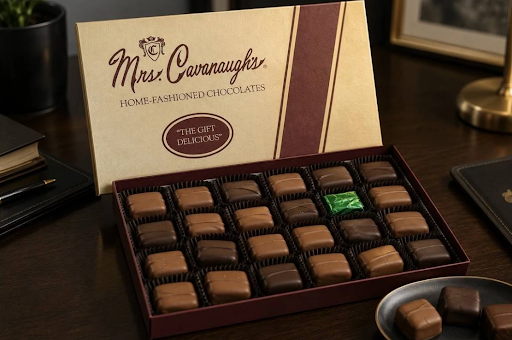
The fix starts with treating gifting as a process rather than a one-time scramble, and that means starting the planning conversation months earlier than most teams are used to. Businesses that order corporate chocolate gift orders well ahead of the holiday rush avoid the inventory shortages and shipping delays that plague last-minute buyers, and they have room to request customization like branded packaging or personalized notes. A process also means having a tiered list ready: top-tier clients might get a more elaborate selection, while a broader base of contacts receives something simpler but still thoughtful.
Once the timing problem is solved, the next piece is sourcing something that actually reflects well on the company sending it. Chocolate works as a gift category because it crosses industries, dietary preferences within reason, and personal tastes more gracefully than most alternatives. It does not require guessing a client’s hobbies or interests, and it photographs well for the inevitable social media thank-you post. A company that standardizes its gifting through a single trusted source also saves itself the headache of managing multiple vendors, multiple invoices, and multiple shipping timelines during the busiest stretch of the business calendar.
There is also an internal benefit that often gets overlooked. When the gifting process is centralized and planned ahead of time, the people responsible for executing it are not pulled away from their actual jobs to hunt for last-minute solutions. A finance team isn’t fielding rush-order expense requests, and an assistant isn’t cobbling together mismatched baskets at 4 p.m. on a Friday. The administrative relief alone can justify setting up a repeatable system months before the holidays arrive.
What Separates a Thoughtful Order From a Forgettable One
Not every box of chocolates sends the same message, and the details matter more than most people assume. Packaging quality signals how much care went into the decision; a crushed box or generic plastic wrapping undercuts even high-quality contents inside. Businesses should also think about portion and presentation relative to who is receiving the gift. A single large assortment meant for an office of twenty people communicates something different than individually wrapped boxes sent to each decision-maker by name.
Customization options are worth asking about directly rather than assuming they don’t exist. Some vendors allow company logos on packaging, handwritten-style notes, or curated assortments that match dietary restrictions clients may have mentioned in passing during meetings. These small touches take minimal extra effort on the ordering side but noticeably raise the perceived thoughtfulness of the gift on the receiving end.
Budget and scale also deserve honest planning rather than guesswork. A company sending gifts to five key accounts has very different needs than one sending to two hundred contacts across multiple regions, and pretending otherwise leads to either overspending or an underwhelming result. It helps to set a per-recipient budget early, decide which tiers of clients warrant which level of gift, and confirm delivery timelines that account for regional shipping variability, especially around the holidays when carriers are overwhelmed. Taking these factors seriously turns a routine purchase order into a small but genuine extension of how a company treats the people who keep it in business.