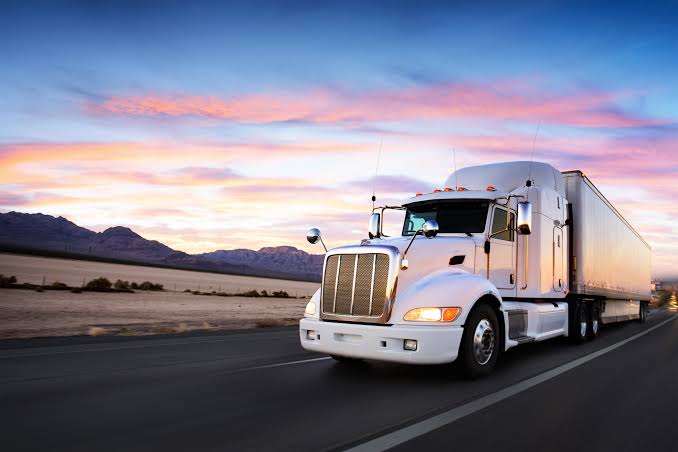
Road Freight Transport: How Goods Move by Road
Road freight transport moves goods between manufacturing sites, ports, warehouses, retail locations, and final customers. It connects local and regional supply chains with longer multimodal journeys, using highways and local roads for direct pickup and delivery. Each movement involves decisions about shipment size, equipment, timing, handling, documentation, and route selection. Understanding these elements helps shippers, carriers, and receivers organize cargo movements around the requirements of the load and the facilities involved.
Roles Within the Freight Network
Trucks provide a practical link between locations that do not have direct rail, air, or water access. They carry packaged products, raw materials, machinery, temperature-sensitive items, and containerized cargo across local, regional, and interstate routes. Road freight transport often provides the first or last movement in a multimodal shipment, transferring cargo between ports, rail terminals, distribution centers, and delivery points. This role makes coordination with loading docks, terminal appointments, and receiving hours an important part of the overall freight process.
Shipment Types and Equipment
The nature of the cargo influences the service and vehicle selected. Full truckload shipments typically use a vehicle for one shipper’s cargo, while less-than-truckload movements combine compatible shipments from several customers. Dry vans are widely used for palletized and boxed goods. Refrigerated trailers support products that need controlled temperatures, and flatbeds can carry freight that requires open loading or has unusual dimensions. Specialized equipment may be used for hazardous materials, bulk commodities, automobiles, or high-value goods. Packaging, weight distribution, securement, and loading sequence all affect how safely and efficiently a shipment can be handled.
Planning Routes and Schedules
Planning road freight transport begins with the origin, destination, available delivery window, and cargo requirements. Dispatchers and planners consider distance, road restrictions, tolls, weather forecasts, traffic conditions, fueling needs, and facility access. A route may also be shaped by trailer height, gross weight limits, permits, or the need to avoid areas with limited turning space. Realistic schedules allow time for pickup, loading, inspections, breaks, unloading, and administrative steps at each location. Clear appointment information reduces uncertainty for drivers and receiving teams.
Handling, Documentation, and Visibility
Accurate information supports the physical movement of goods. Shipment records commonly identify the shipper, receiver, item description, quantity, weight, handling instructions, and pickup and delivery details. The bill of lading documents the transfer of freight and provides a shared shipment reference. For cross-border moves, additional customs information may be required. Digital tracking tools can share status updates, estimated arrival times, and proof of delivery with the organizations involved. These systems work best when location data, contact details, and shipment instructions are entered consistently before the vehicle departs.
Operational Factors That Shape Service
Freight operations are influenced by conditions that change throughout the day and across the year. Congestion, construction, severe weather, seasonal demand, warehouse labor availability, and port or terminal activity can affect transit times. Regular communication gives shippers and receivers time to adjust dock staffing, inventory plans, or customer expectations when schedules shift. Safety procedures also remain central to daily operations. Vehicle inspections, cargo securement, driver training, and compliance with applicable transportation rules help support orderly movements from pickup through final delivery.
Coordinating Reliable Movements
Effective freight coordination depends on matching each shipment with suitable equipment, accurate instructions, and a workable schedule. Early planning helps identify access constraints and handling needs before a pickup is arranged. During transit, timely updates allow participants to respond to new conditions without losing sight of the shipment’s destination and delivery requirements. This disciplined approach supports dependable freight distribution across a wide range of industries and locations.


